One of the biggest advantages of a fiberglass pool over a concrete pool is the installation speed. But "fast" is relative, and the timeline that matters to you is the total time from deciding you want a pool to actually using it.
That total timeline has three main phases: planning, permits, and physical installation. Each one takes time, and understanding where the time goes helps you set realistic expectations.
What does the full timeline look like?
Here is a realistic breakdown of the entire process for a fiberglass pool project in Ontario:
| Phase | What Happens | Typical Duration |
|---|---|---|
| Planning | Research, site visit, quotes, choose installer, finalize design | 1 – 3 months |
| Permits | Submit application, wait for approval, utility locates | 2 – 6 weeks |
| Scheduling | Wait for your spot in the build schedule | 2 – 8 weeks |
| Installation | Excavation, shell set, plumbing, electrical, backfill, patio | 2 – 4 weeks |
| Final touches | Fencing, landscaping, equipment start-up, water chemistry | 1 – 2 weeks |
| Total | 3 – 6 months |
The physical installation is the shortest phase. The planning and waiting are what take the most time. That is true for almost every pool project in Ontario, regardless of the installer.
How long does the planning phase take?
The planning phase is the time between your first serious thought about a pool and signing a contract with an installer. For most homeowners, this takes 1 to 3 months.
During this phase, you are typically:
- Researching pool types (fiberglass, concrete, vinyl liner) and deciding which is right for you
- Getting quotes from 2 to 4 pool companies
- Having site visits where installers come to your property and assess the yard
- Choosing a pool model and size based on your yard, your budget, and your needs
- Deciding on features like heaters, salt water systems, lighting, and patio materials
- Working out the budget and financing if needed
Some homeowners move through this in a few weeks. Others take several months. There is no wrong pace here. This is a significant project, and it is worth taking the time to make decisions you are comfortable with.
The one thing to keep in mind is that pool companies have limited build slots each season. The longer the planning phase takes, the further out your installation will be scheduled. If you want to swim by a certain date, work backward from that date.
How long do pool permits take in Ontario?
In Ontario, you need a permit before a pool can be installed. The specific permit requirements vary by municipality, but in most cases you need a swimming pool enclosure (fence) permit at minimum.
Here is how long permits typically take in the areas we serve:
| Municipality | Typical Permit Timeline |
|---|---|
| City of London | 3 – 4 weeks |
| Middlesex Centre (Komoka) | 2 – 4 weeks |
| Strathroy-Caradoc | 2 – 3 weeks |
| Thames Centre (Dorchester) | 2 – 3 weeks |
| St. Thomas | 2 – 4 weeks |
These timelines assume a complete application with no issues. Incomplete applications get sent back, which can add weeks. If you need a variance (for example, if your yard does not meet the standard setback requirements), the process can take significantly longer.
Your pool installer should handle the permit application for you. This is a standard part of the service. If an installer does not mention permits, ask about them. No reputable company will start work without the proper permits in place.
What the permit requires
A pool permit application in most Ontario municipalities includes:
- A site plan showing the pool location relative to the house and property lines
- Fence specifications (height, self-closing/self-latching gates)
- Proof that setback requirements are met (distance from property lines, easements, and structures)
- Information about the pool type and size
In the City of London, the pool enclosure (fence) must be in place before the pool can be filled with water. That means fencing needs to be coordinated with the installation schedule.
What happens during the 2 to 4 week installation?
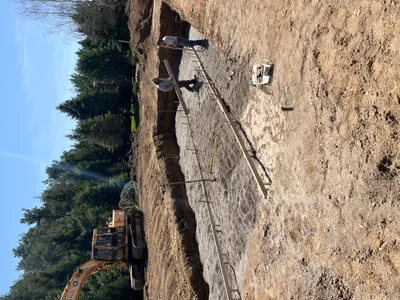
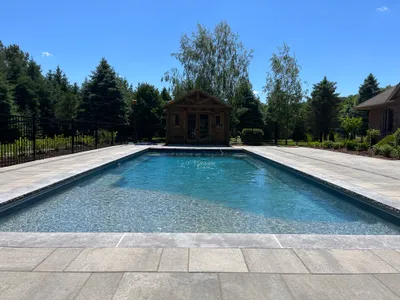
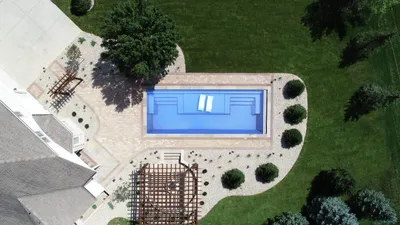
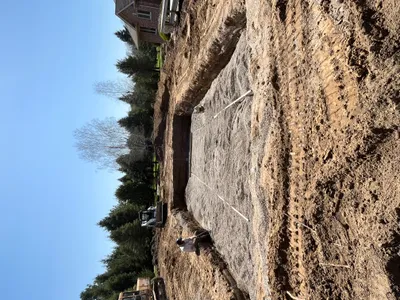
Once permits are approved and your build date arrives, the physical work begins. A fiberglass pool installation typically takes 2 to 4 weeks from the first day of excavation to a swimmable pool.
Here is what happens during that time:
Week 1: Excavation and pool set
- Excavator digs the hole to the exact specifications for your pool model
- Gravel base is laid and compacted
- Pool shell is delivered and set into the hole (by crane or carried in)
- The pool is levelled precisely
- Plumbing lines are roughed in
Week 2: Backfill, plumbing, and electrical
- Gravel backfill is placed around the pool shell in stages while water is simultaneously added to the pool (this balances pressure on the shell)
- Plumbing connections are completed to the equipment pad
- Electrical work is done (pump, lights, heater if applicable)
- Equipment pad is poured or set
Weeks 3–4: Patio, fencing, and finishing
- Patio or decking is installed around the pool
- Coping (the edge cap where the pool meets the patio) is set
- Fencing is installed or completed
- Grading and backfill around the patio edges
- Equipment start-up and testing
- Water chemistry balancing
- Walkthrough with the homeowner
Not every day within those weeks is active work. There are days waiting for concrete to cure, for inspections, or for subcontractors to arrive. The schedule also depends on weather. Rain can push outdoor work back by days.
What does a typical installation week look like?
Here is a realistic look at the first week of a straightforward fiberglass pool installation:
| Day | What Happens |
|---|---|
| Monday | Excavation begins, hole is dug over the course of the day |
| Tuesday | Excavation finished, gravel base laid and compacted, plumbing roughed in |
| Wednesday | Pool shell delivered and set into the hole, levelling begins |
| Thursday | Backfill begins (gravel placed in lifts around the shell while water fills the pool) |
| Friday | Backfill continues, plumbing connections completed |
This is a best-case scenario with no rain delays, no rock, and good access. Some installations move faster. Some take longer. The point is that significant progress happens quickly once the work starts.
What causes delays?
Delays happen. Knowing what causes them helps you plan for them.
Weather
Rain is the most common cause of delay. You cannot excavate safely in heavy rain because the walls of the hole can collapse. You cannot pour concrete for a patio in the rain. A week of steady rain can push the schedule back by a week or more.
Ontario's spring is particularly unpredictable. April and May can bring stretches of rain that make it difficult to stay on schedule. This is one reason why fall starts to planning are so valuable. An earlier build date means more buffer in the schedule.
Permit delays
If the permit application is incomplete or the municipality is backlogged, permits can take longer than expected. During peak season (spring), permit offices see a surge in applications, which can slow processing.
Site conditions
Hitting rock, encountering a high water table, or discovering buried debris can all slow excavation. These are not always predictable, even with a thorough site visit. A few hours of rock breaking can turn a one-day dig into a two or three-day dig.
Subcontractor scheduling
Electricians and plumbers are often subcontracted, and their availability affects the timeline. During peak building season, these trades are busy across many job sites. A one-day gap waiting for an electrician is normal. A week-long gap is frustrating but does happen.
Scope changes
Changes to the project after work has started almost always cause delays. Adding a heater, changing the patio layout, or upgrading the coping material mid-project means new materials need to be ordered and the schedule needs to be reworked.
The more decisions you finalize before the build starts, the smoother the installation goes.
How does Ontario weather affect the timeline?
Ontario's climate creates a defined pool building season that runs roughly from April through November. The ground needs to be thawed and dry enough to excavate, and concrete needs temperatures above freezing to cure properly.
| Month | Building Conditions | Notes |
|---|---|---|
| January – March | Too cold / frozen ground | Planning and permits only |
| April | Ground thawing, often wet | Early season starts possible, weather dependent |
| May – June | Good building weather | Peak demand, schedule fills fast |
| July – August | Best weather, hot and dry | Ideal conditions but schedules are full |
| September – October | Good weather, cooling down | Less demand, good availability |
| November | Getting cold, shorter days | Late season installs possible, tight window |
| December | Too cold for most work | Season is over |
Most homeowners want their pool ready for summer, which means the build needs to happen in spring. But spring in Ontario is also the wettest time of year. That tension between wanting to swim early and dealing with spring weather is the biggest scheduling challenge for pool companies and homeowners alike.
How can you speed things up?
You cannot control the weather or the municipality's permit processing speed. But there are things you can do to keep the project moving as quickly as possible.
- Start planning early. If you want to swim next summer, start the process in the fall or winter before. The earlier you sign a contract, the earlier your spot in the build schedule.
- Finalize all decisions before the build starts. Pool model, patio material, equipment, features. Every decision you delay is a potential delay to the project.
- Clear your yard before the crew arrives. Remove portable items, play structures, garden beds, and anything else that is in the pool area or access route. This saves the crew time on day one.
- Be responsive. When your installer needs an answer, a decision, or access to the property, respond quickly. Small delays in communication add up.
- Get the fence sorted early. If you need a new fence for the pool enclosure, coordinate it with the installer so it is ready when the pool is ready. Fence installation can be a bottleneck.
- Handle tree removal in advance. If trees need to come down, do it before the build season starts. This removes a step from the installation timeline.
When should you start planning?
If you want to be swimming by July, the planning should start by the previous fall or early winter at the latest. Here is a rough timeline working backward from a July swim date:
| When | What You Should Be Doing |
|---|---|
| October – November | Research pool types, start contacting installers |
| December – January | Site visits, get quotes, compare options |
| February | Sign contract, finalize design and features |
| March | Permits submitted, utility locates requested |
| April | Permits approved, site prep begins |
| May – June | Installation |
| July | Swimming |
Homeowners who call in March or April hoping to swim by July are often disappointed to learn that the schedule is already full for early summer. It is not impossible, but it is much harder to get on the calendar at that point.
How does this compare to a concrete pool?
One of the most significant differences between fiberglass and concrete pools is installation time.
| Fiberglass | Concrete | |
|---|---|---|
| Physical installation | 2 – 4 weeks | 3 – 6 months |
| Total project (planning to swimming) | 3 – 6 months | 6 – 12 months |
| Disruption to your yard | 2 – 4 weeks | Several months |
A concrete pool requires forming, rebar, shotcrete or gunite application, curing time, plaster or finish application, and more curing time. Each stage needs to dry and cure before the next one can start. Weather delays compound because there are more stages that are weather-sensitive.
A fiberglass pool shell arrives as a finished product. It goes from the truck to the hole in a matter of hours. That single difference is what makes the overall timeline so much shorter.
That said, the planning phase and permit phase are similar for both pool types. The time savings with fiberglass are almost entirely in the physical installation.
Frequently Asked Questions
How long does it take to install a fiberglass pool in Ontario?
The total timeline from first contact to swimming is typically 3 to 6 months. The actual physical installation takes 2 to 4 weeks, but the planning phase, permits, and scheduling that happen beforehand take up most of that timeline.
How long does it take to get a pool permit in Ontario?
Pool permits in Ontario typically take 2 to 6 weeks depending on the municipality. The City of London averages about 3 to 4 weeks. Some smaller municipalities may be faster. Incomplete applications or requests for variances can add additional time.
Can a fiberglass pool be installed in one day?
The pool shell itself can be set in the ground in a single day. But a complete pool installation includes excavation, plumbing, electrical, backfill, patio, and fencing, which together take 2 to 4 weeks. One-day installation claims refer only to the shell placement, not the entire project.
What is the best time of year to start planning a pool in Ontario?
Fall and winter are the best times to start planning if you want to swim the following summer. Most pool companies book their build schedules months in advance. Starting in January or February for a summer installation is common. Starting in spring often means you will not be swimming until late summer or fall.
What causes delays in fiberglass pool installation?
The most common causes of delay are permit processing times, extended rain that makes excavation unsafe, unexpected soil conditions like rock or high water tables, scheduling conflicts with subcontractors for electrical or plumbing, and homeowner changes to the project scope after work has begun.