Homeowners thinking about a fiberglass pool often want to know one thing before anything else: how long will it actually last? It is a reasonable question, especially for something that costs $75,000 to $130,000 or more.
The good news is that fiberglass pools are among the most durable pool types available. But "how long does it last" is really several questions rolled into one, because the pool shell, the gel coat surface, and the equipment all have different lifespans.
This article breaks down each one so you know exactly what to expect over the life of your pool.
How long does a fiberglass pool shell actually last?
The structural shell of a fiberglass pool can last 50 years or more. Some manufacturers say their shells will last a lifetime, and that is not far from the truth.
A fiberglass pool shell is made from layers of fibreglass matting bonded together with resin, then finished with a gel coat on the swim surface. The laminate structure is the same type of material used in boat hulls, storage tanks, and aircraft components. It is built to handle stress, water, and temperature changes for decades.
Unlike concrete, which is rigid and can crack as the ground shifts, fiberglass has some natural flex to it. This flexibility means it can handle the expansion and contraction that happens with Ontario's freeze-thaw cycles without developing structural cracks.
There are fiberglass pools installed in the 1970s and 1980s that are still in service today. The shells are structurally sound. Many of them have had their gel coats touched up or refinished, and some have had equipment replaced several times, but the shells themselves are still holding water and looking fine.
How long does the gel coat last?
The gel coat is the smooth, coloured surface on the inside of your pool. It is what you see and touch when you swim. It serves two purposes: it gives the pool its finished appearance, and it creates a smooth, non-porous surface that resists algae growth.
A well-maintained gel coat typically lasts 15 to 25 years before it may need refinishing. Some pool owners get 30 years or more out of their original gel coat.
Over time, the gel coat can show signs of wear:
- Fading is the most common change. The colour may lighten slightly, especially in areas that get direct sunlight.
- Chalking happens when the surface develops a powdery feel. This is a sign of UV degradation on the surface layer.
- Spider cracks are fine, web-like surface cracks. They are cosmetic, not structural. They do not mean the shell is failing.
- Blistering can occur if water penetrates behind the gel coat. This is less common with modern manufacturing techniques but can happen with older pools or poor water chemistry.
When the gel coat eventually needs attention, refinishing typically costs $5,000 to $12,000 CAD depending on the pool size and the condition of the existing surface. That is far less than the $15,000 to $30,000 it costs to resurface a concrete pool, and it needs to happen far less often.
How long does pool equipment last?
Your pool equipment has a completely separate lifespan from the pool shell. Every piece of equipment will eventually need replacement, regardless of what type of pool you own.
Here is a realistic breakdown of how long each piece of equipment typically lasts:
| Equipment | Typical Lifespan | Replacement Cost (CAD) |
|---|---|---|
| Variable-speed pump | 8 – 12 years | $1,500 – $2,500 |
| Cartridge filter | 8 – 15 years (cartridges every 2 – 3 years) | $800 – $1,500 (unit) / $150 – $300 (cartridge) |
| Gas heater | 8 – 12 years | $4,500 – $7,000 |
| Heat pump | 10 – 15 years | $5,500 – $9,000 |
| Salt chlorine generator (cell) | 3 – 7 years | $800 – $1,200 |
| Salt system (control unit) | 8 – 12 years | $1,500 – $2,500 |
| Pool light (LED) | 10 – 15 years | $400 – $800 |
| Automatic pool cover | 8 – 12 years (fabric), 15 – 20 years (mechanism) | $3,000 – $6,000 (fabric replacement) |
| Plumbing (PVC pipes) | 25 – 40 years | Varies |
The most common equipment replacement homeowners face is the salt cell, which lasts 3 to 7 years. After that, pump and heater replacements happen in the 8 to 15 year range. None of these are surprises if you know the timelines in advance.
Equipment replacement is a normal part of pool ownership, just like replacing a furnace or water heater in your home. The pool shell outlasts all of it.
What affects how long a fiberglass pool lasts?
While fiberglass pools are built to last decades, three things have the biggest influence on how well yours ages: water chemistry, installation quality, and winterization. Each of these is worth understanding in detail.
How does water chemistry affect pool lifespan?
Water chemistry is the single most important factor in how long your gel coat lasts. Water that is consistently out of balance can damage the gel coat surface years before it would otherwise show wear.
The key numbers to watch are:
| Parameter | Ideal Range | What Happens If It Is Off |
|---|---|---|
| pH | 7.2 – 7.6 | Low pH is acidic and etches the gel coat. High pH causes scaling. |
| Total alkalinity | 80 – 120 ppm | Helps stabilize pH. Low alkalinity lets pH swing wildly. |
| Calcium hardness | 200 – 400 ppm | Low calcium makes water aggressive, pulling minerals from the gel coat. High calcium causes scale. |
| Free chlorine | 1 – 3 ppm | Too low allows algae. Too high can bleach the gel coat over time. |
Of all these, low pH is the most damaging to a fiberglass pool. Acidic water slowly etches the gel coat surface, making it rough and dull. Once the surface becomes rough, it is more prone to algae attachment and staining, which creates a cycle of increasing maintenance.
Testing your water weekly during the swim season and adjusting as needed is the single best thing you can do to protect your pool's gel coat and extend its life.
Does installation quality matter for longevity?
Yes, significantly. How a fiberglass pool is installed has a direct impact on how it performs over the long term.
The critical elements of a proper installation include:
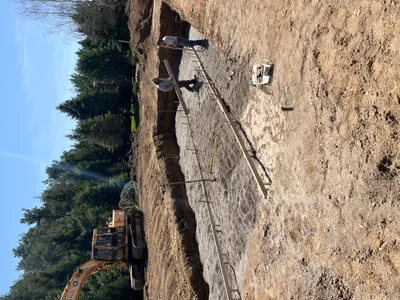
- A level, compacted gravel base. The pool shell needs to sit on a uniform bed of clean, crushed gravel. If the base is uneven, the pool can develop stress points that lead to surface cracking over time.
- Proper backfill material. The area around the pool shell should be backfilled with clean gravel or stone dust, not soil or clay. Soil can shift, expand when wet, and put uneven pressure on the shell walls.
- Simultaneous filling and backfilling. During installation, the pool is filled with water at the same time the backfill goes in around the outside. This balances the pressure on both sides of the shell and prevents the walls from bowing.
- Correct plumbing pitch. All pipes need to slope properly so water drains fully when the lines are blown out for winter. Standing water in the lines can freeze and crack pipes.
A poorly installed fiberglass pool can develop problems that look like manufacturing defects but are actually installation errors. Bulging walls, uneven coping, and plumbing leaks are almost always caused by shortcuts during installation, not by problems with the pool shell itself.
How does winterization affect pool lifespan in Ontario?
In Ontario, every pool goes through roughly five months of winter. Proper winterization protects both the pool shell and the equipment from freeze damage.
The critical steps for winterizing a fiberglass pool in Ontario include:
- Balancing the water chemistry before closing. The water stays in the pool all winter, and balanced water protects the gel coat through the off-season.
- Lowering the water level to below the skimmer and return jets. This prevents ice from forming inside the skimmer and cracking it.
- Blowing out the plumbing lines with compressed air. Any water left in the pipes can freeze, expand, and crack the plumbing.
- Adding winterizing chemicals to prevent algae growth and staining while the pool sits covered.
- Installing a proper winter cover to keep debris out and reduce algae exposure from sunlight.
Fiberglass handles Ontario winters well because it flexes rather than cracks. Concrete pools are more vulnerable to freeze-thaw damage because concrete is rigid and can crack as ice forms and melts around and under the pool.
Skipping winterization or doing it improperly is one of the most common causes of early equipment failure and plumbing damage. The pool shell itself will likely survive even a bad winterization, but the equipment and plumbing may not.
Fiberglass vs concrete vs vinyl: which lasts longest?
All three pool types can last a long time, but they age very differently and require different levels of maintenance to stay in good condition.
| Fiberglass | Concrete | Vinyl Liner | |
|---|---|---|---|
| Shell / structure lifespan | 50+ years | 50+ years | 20 – 35 years (wall panels) |
| Surface lifespan | 15 – 25 years (gel coat) | 10 – 15 years (plaster/pebble) | 7 – 12 years (liner) |
| Surface refinishing cost | $5,000 – $12,000 | $15,000 – $30,000 | $5,000 – $8,000 (liner replacement) |
| Annual maintenance effort | Low | High | Moderate |
| Freeze-thaw durability | Excellent (flexes) | Fair (can crack) | Good |
| Chemical use | Lower | Higher | Moderate |
| Algae resistance | High (smooth, non-porous) | Low (rough, porous surface) | Moderate |
Concrete pools can match fiberglass for structural longevity, but they require more frequent and more expensive resurfacing. A concrete pool will likely need two or three plaster or pebble-surface replacements over the same period that a fiberglass pool might need one gel coat refinishing.
Vinyl liner pools have the shortest surface lifespan. The liner needs replacement every 7 to 12 years, and each replacement costs $5,000 to $8,000 CAD. Over 30 years, that is three or four liner replacements. The wall panels and floor can also corrode over time, especially if groundwater is an issue.
For homeowners in Ontario who want the lowest-maintenance pool with the longest useful life, fiberglass is the strongest option. The shell lasts as long as concrete, the surface lasts longer, and the smooth gel coat reduces chemical use and algae growth year after year.
What are the signs your fiberglass pool is aging?
Fiberglass pools age gradually. You will not wake up one day to find your pool has suddenly deteriorated. Instead, there are slow, visible signs that tell you the gel coat or equipment is getting older.
Gel coat signs
- Colour fading. The pool colour may lighten unevenly, especially in shallow areas exposed to more sunlight.
- Chalking. Run your hand along the surface. If it feels powdery or you can see a white residue on your hand, the gel coat is chalking.
- Spider cracks. Fine hairline cracks in the surface that look like a web. These are cosmetic. They do not mean the pool is leaking.
- Roughness. A gel coat that has been etched by low pH water may feel rough rather than smooth. This makes it harder to keep clean.
- Staining. Mineral stains or organic stains that no longer come off with normal cleaning may indicate the gel coat has lost its protective quality in those areas.
Equipment signs
- Pump noise. A pump that has gotten louder is usually worn bearings. It still works, but replacement is probably a year or two away.
- Heater inefficiency. If the heater takes noticeably longer to warm the pool than it used to, it may be losing efficiency as heat exchangers scale up or components wear.
- Salt cell buildup. Salt cells that need cleaning more frequently than usual are nearing the end of their life.
- Leaks. Small drips at pipe joints or equipment connections often develop as gaskets and O-rings age.
None of these signs are emergencies. They are normal wear indicators that help you plan ahead for maintenance or replacement. The pool shell itself will keep going long after the equipment around it has been replaced a couple of times.
How can you extend the life of your fiberglass pool?
Most of what you need to do to keep a fiberglass pool lasting as long as possible comes down to consistent, basic care.
- Test your water chemistry weekly during the swim season and adjust as needed. Keep the pH between 7.2 and 7.6. This is the single most important thing you can do.
- Brush the pool walls and floor once a week. Even though fiberglass is algae-resistant, a quick brush prevents buildup from starting.
- Run the pump long enough. Your pool water should turn over at least once per day. For most residential pools, that is 8 to 12 hours of pump run time.
- Winterize properly every fall. Balance the water, lower the level, blow out the lines, add winterizing chemicals, and cover the pool. Do not skip steps.
- Open the pool properly each spring. Remove the cover carefully, refill to the correct level, prime the pump, and balance the water before running the system at full speed.
- Replace equipment on schedule. Do not run a pump or heater until it fails completely. Replacing equipment before it breaks prevents secondary damage and emergency repair costs.
- Keep the water level correct. Running the pump with the water level below the skimmer can pull air into the system and damage the pump.
- Avoid draining the pool completely. A fiberglass pool is designed to have water in it. An empty pool can shift or float if groundwater pushes against the shell from below.
A fiberglass pool is not a high-maintenance thing. It just needs consistent attention to a few basics. Homeowners who stay on top of water chemistry and winterization will get decades of trouble-free use from their pool.
Frequently Asked Questions
How long does a fiberglass pool shell last?
A well-made fiberglass pool shell can last 50 years or more. The structural fibreglass laminate does not degrade under normal conditions. The gel coat surface may need refinishing after 15 to 25 years depending on water chemistry, UV exposure, and general care.
How often does a fiberglass pool need to be resurfaced?
Most fiberglass pools do not need resurfacing for 15 to 25 years. Some never need it at all. When resurfacing is needed, it typically costs $5,000 to $12,000 CAD. This is far less frequent and less expensive than concrete pool resurfacing, which is usually needed every 10 to 15 years.
How long does a pool pump last?
A pool pump typically lasts 8 to 12 years. Variable-speed pumps tend to last slightly longer than single-speed pumps because they run at lower speeds and produce less heat and vibration. Replacement cost for a variable-speed pump in Ontario is roughly $1,500 to $2,500 CAD installed.
Do fiberglass pools crack in cold weather?
Fiberglass pools are well suited to Ontario winters because the material flexes slightly with freeze-thaw cycles rather than cracking. Concrete pools are more prone to cracking in cold climates. Proper winterization, including lowering the water level and blowing out the lines, is still essential to protect the plumbing and equipment.
Which pool type lasts the longest: fiberglass, concrete, or vinyl?
Fiberglass and concrete pools both have long structural lifespans of 50 years or more. Vinyl liner pools have a shorter lifespan because the liner itself needs replacement every 7 to 12 years. In terms of lowest lifetime maintenance and fewest repairs, fiberglass pools generally come out ahead.